We are experiencing unprecedented times. The Covid-19
(corona virus) global pandemic has created fear and panic for personal health
concerns, but also for the health of our farm, food, and drink sector.
How is your business fairing through all of this?
You may be juggling personal perspectives and decisions for
yourself and family, your employees, and your customers. It’s important to have
pertinent and accurate information.
This will likely be a series of posts, as we discover daily changes to our lives and business. We are watching the situation closely and will facilitate information sharing as best we can. You can learn from other businesses and organization, but, please also share your learnings to support other food industry folk.
This is such an instant interruption, but be assured, it will not last forever.
Current COVID-19 Situation
The news we are exposed to changes by the hour. Use different sources to get accurate details. You can find specific disease-related information at these two federal and provincial websites. Everything from definitions, symptoms, prevention, travel, etc.
The BC Chamber of Commerce, in partnership with Small Business BC, Community Futures, and British Columbia Economic Development Association, is urgently seeking your input around current and contemplated impacts to businesses due to the COVID-19 pandemic.
The farm, food, and drink
sector will experience many challenges through this situation, but let’s keep a
focus on the fact that people have to be fed. And, with global supply chains at
risk, it is even more important to promote local food by local farmers and
producers.
The following list shows
areas for discussion or further investigation, as the subjects change daily:
How will farmers markets be affected because of
group gathering restrictions? (see BCAFM link below)
Sobeys recently announced a halt to in-store food
demos, affecting brand and product awareness for demonstrating businesses.
Now may be the time to position your farm market or
local food products as the healthy choice and one that supports local food
security and in times like this may be most critical.
For those who deal with animals, will that cause
issues and concerns for consumers?
National and international players are
struggling with export in certain areas. Will they put a focus on local markets
creating a more competitive challenge for local players?
Will consumers look more closely at food handling
and how their food comes to them? How do we communicate that?
Can we aggressively promote that we follow food
safety standards? Domestic and BC food products are the way to go.
What are other countries doing with their local
food sector and communities?
Do consumers perceive that larger suppliers have
a safer food supply?
What else would you add to
this list?
What are you experiencing or
hearing around the food community? Please share your thoughts in the comments
below.
Business Opportunities
Often when there is a crisis
situation, beyond experiencing the current pain of it all, there is usually
great opportunity that can present itself. But, look after the basics first.
During a recent Export Development of Canadawebinar, the key message from EDC’s vice-president and chief economist, Peter Hall, was that this is a temporary situation. We will likely not head into a recession, and the USD/CDN exchange rate should continue to hover between 70 and 75 cents. He emphasized that we should rebound starting half way through the year, and the ensuing economic upswing will start to happen in the second half of the year and into 2021.
Key takeaways from the presentation included:
Finances
If you are experiencing a significant revenue drop, consider speaking to your bank or other lenders like BDC or Community Futures. Using one resource or a combination of their offerings could help you bridge your finances for the interim.
Talk to your suppliers to negotiate payment adjustments, and talk to your customers and your network to discuss your whole situation.
Risk Management
If you have a risk management strategy, now is the time to be proactive not reactive. If you don’t have a plan, now is the best time to start one.
Construct or adjust your plan to include Risk Avoidance, Risk Sharing, Risk Reduction, and Risk Transfer.
Operations
Re-evaluate your existing suppliers and networks. You may need to pivot to new suppliers which may impact your operations and financials.
Create contingency plans and review contracts
Silver Lining
If your business has slowed down, take this opportunity to prepare for the rebound when you could see an influx of orders that you want to be able to fulfill.
Expand your network and create new relationships. This can position you for longer term success versus just being reactionary to the current situation.
A crisis is not a reason to back
off. It may actually be an opportunity to expand when we do rebound. Continue
marketing and communications initiatives, “We’re here, and we’re here with local
food.”
If you’re struggling with any of this, we’d like to facilitate a connection to a Provincial Minister or business expert to help you get clarification for your particular issue. Contact usand let us know what you need.
Please share your insights and questions in the comments below. If there something you want to know, let us know, and we’ll try to find the answer for you.
In the meantime, keep yourself and
your family safe and healthy, and make plans for keeping your business healthy,
too.
Or Just Keeping You Busy?You’re posting on social media, updating your website, preparing for a trade show, sending emails and trying to keep up with everything else that comes with running a food business. But are those activities helping you reach the customers you need to grow your sales?For many growing food and beverage businesses, […]
There’s a lot of pressure on food and beverage businesses right now. Consumers are watching what they spend. Many inputs are affected by rising fuel costs and tariffs, which also limit trade opportunities. Labour, packaging, transportation, and other operating costs continue to put pressure on margins. For small food businesses, there is less room for […]
Here is something many food business owners have experienced:You hit a groove. Sales are up, your Instagram feed looks great, customers are engaging, and new people are discovering your products. Your momentum is building.Then reality hits.You’re baking at 4:00 a.m. every morning, preparing for trade shows, managing wholesale order surges, and suddenly your attention shifts […]
AI & Social Media: How To Use AI Without Losing Your Brand Voice
AI has become an increasingly large conversation in the world of marketing.Whether you’re generating captions, brainstorming content ideas, planning campaigns, or looking for ways to streamline your workflow, AI has changed the way businesses approach content creation.But like any new technology, opinions are divided. Some food business owners have embraced AI as a helpful assistant […]
Over the past few years, conversations about Canada’s food system have become increasingly common. Rising grocery prices, supply chain disruptions, and a growing interest in supporting local producers have all sparked questions about how food is grown, processed, and distributed across the country. Now, the federal government is putting those conversations at the centre of […]
If a new customer looks at your product for 3 seconds, they should understand what it is, how they’d use it, and why it’s worth buying. If they can’t, the decision slows down, or doesn’t happen at all. Run this today: Put your product in front of someone who’s never seen it before. Give them […]
Before You Redesign Your Packaging, Watch What Customers Do First
Rebranding can be the right move, but it should come after you understand how your product is performing. When sales are slow, the issue can show up in how people interact with your product, not just how it looks. Start by observing behaviour, not assumptions: At markets, in retail, or even online, watch what happens:- […]
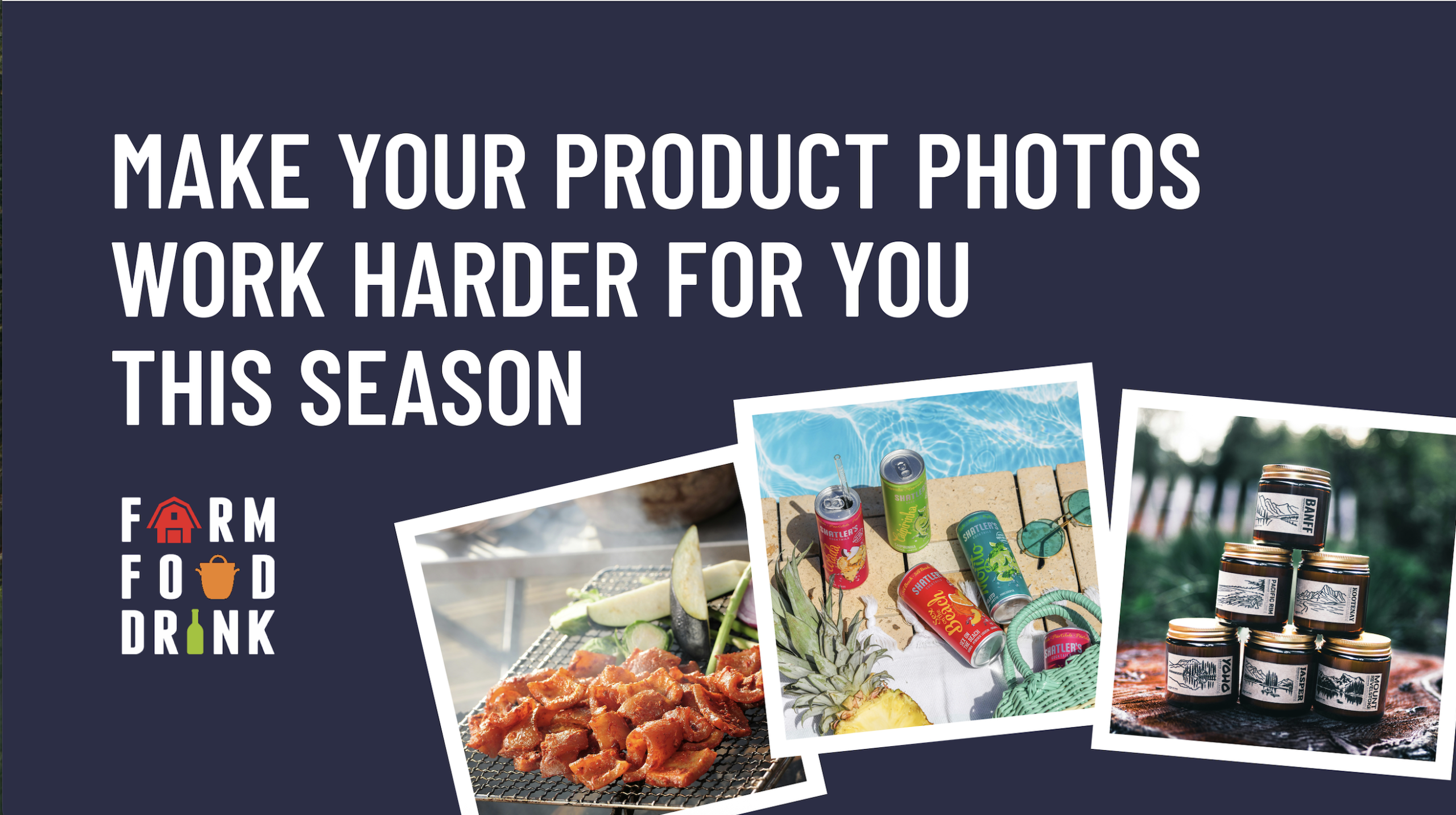
How to Make Your Product Photos Work Harder for You This Season
Summer is coming, which means BBQ season, gatherings, and long days outside. And this is one of the best times of year to capture content you’ll reuse for months.In a previous blog, we talked about why shooting during seasons like spring, summer, and early fall gives you more flexibility with better light, natural settings, and […]