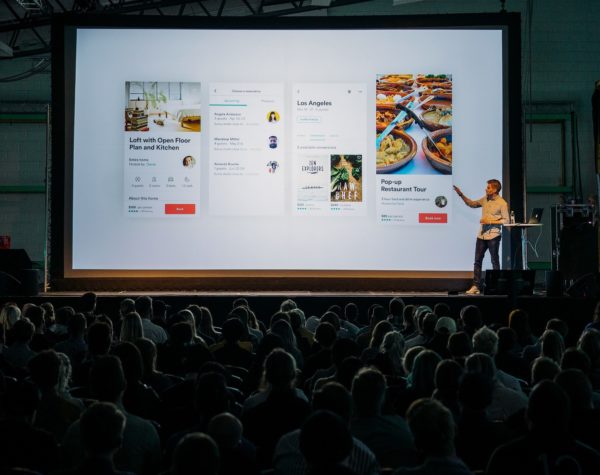
Event season is upon us. Some for fun, some for education, some for showing off.
Will you attend an upcoming event, conference, or tradeshow
as a participant or as a vendor or sponsor?
Then you need a plan.
Events cost you time and money. If you want a return on
those investments (ROI), don’t just show up and expect things to happen.
Make things happen!
What’s Your Objective?
The simple answer is you want to spur on sales, but it
doesn’t always happen that way. In many cases you want to create opportunities
for your business development. That may mean initiating specific meetings,
doing pre and post show promotion (to show you are attending or exhibiting), or
seeking interested parties for potential support or collaboration.
Establish objectives that you can ideally measure. Some to consider:
- What are your big business goals for the coming year, and how can attending this event support them?
- Metrics – what can you tangibly measure? i.e. units sold, hot prospects
- Find Joint Venture partner contacts
- Gather market research
- What’s new in this realm?
- Is there a new tool, support, or way to do something?
- Launch new product(s)
- If selling at the event, then number of sales
- If follow up required, how many leads?
- Create brand awareness – get your name out there
Plan Your Time
Attending an event is a business decision. Take time before the event to study what it’s all about. Who might be
there? What do you want to learn?
Block off time in your calendar after the event to do follow
up with people you’ve met, time to send emails and to make
business-building phone calls. Also make the time and effort to review your
notes or collateral you’ve picked up. It helps to reinforce your experience and
learning.
For tradeshows,
you need to study the preshow guide and list the essential booths you need to
visit. You don’t need to hit every one.
For conferences,
similarly, study the preshow guide so you see what options you have. When is
the exhibit floor open? Are there specific workshops you need to attend? It’s
good to have a second choice for time slots in case speakers cancel or agendas
change.
For workshops, your focus will be on presentations and speakers. Think of the main three points you must take away. Be sure to allow time before and after the event to talk to individuals of interest.
Who Can You Connect With?
Be proactive! Don’t assume you will meet the people you need to meet. Whether they’re prospects, existing clients, or potential collaboration partners, contact them prior to the event.
- While making your plans, look at the list of
attendees and reach out to individuals. Set up times to meet at the event.
- Don’t be afraid to talk to your competitors.
Often there are synergies and things you can learn from each other without
revealing any secrets.
- To every person you meet, ask them who else you
can talk to, or meet with. If you can get an introduction, even better.
“When I attend any type of event, I always have a plan,” explains Greg McLaren, Managing Director of Farm Food Drink Inc. “I’ve never been to an event where I didn’t make valuable connections, or benefit in some significant way.”
Summary
Attending events can be a big cost to your time and your wallet. They take you away from your business but if you approach them from a marketing perspective, you can often garner many benefits.
- Study and choose which events would bring the
most ROI.
- Have an objective for attending. How can any
action at the event benefit your business?
- Make a plan. Maximize your time and
opportunities.
- Connect, connect, and connect some more.
- Follow up with people, and review brochures and
training material
To help you plan which events to attend, visit our Events Page on a regular basis. You’ll be sure to find the right events to benefit you and your business.