Why Market Research Matters
Picture this: a food producer spends months perfecting a new product, invests thousands in production, and launches with confidence—only to watch it sit on shelves. The culprit? They never asked their actual customers what they wanted. Market research feels intimidating, but it doesn’t have to be rocket science. Sometimes the most valuable insights come from the simplest questions asked in the right places.
The Real Cost of Assumptions
Many food producers treat market research like an expensive luxury—something only big corporations can afford. But the truth is, even the smallest farm food or beverage business can—and should—gather meaningful customer insights. And it doesn’t have to be complicated.
Consider this: what’s more expensive, spending a few hours gathering real customer insights, or producing thousands of units of a product that doesn’t quite hit the mark? When you’re operating on slim margins, every production decision matters.
The most costly mistake isn’t investing in research—it’s making critical business decisions based on assumptions rather than evidence.
Why Market Research Matters
At its core, market research is about making better decisions. Whether you’re developing a new food product, adjusting pricing, updating packaging, or deciding which markets to attend, having real feedback from your actual or potential customers reduces risk and increases your chances of success.
Too often, decisions are based on assumptions or well-meaning praise from friends and family. While support is encouraging, it’s not the same as objective feedback from your target market—the people who will actually buy your product.

Start Simple: Conversations Count
Market research doesn’t require focus groups or expensive consultants. Some of the most valuable insights come from the simplest approaches. For example, next time you’re at a farmers’ market, don’t just chat with your own customers—talk to people browsing other stalls. Ask what they’re looking for, what influences their food choices, and what frustrates them about current options.
These casual conversations provide valuable information about preferences, needs, and decision-making—that’s market research in its purest form. But while face-to-face interactions are invaluable, digital tools can extend your reach to gather feedback from customers you might never meet in person.
The Power of Digital Feedback
Social media makes it easy to ask quick questions, and targeted polls can offer another accessible entry point. But keep in mind that your followers need to represent real potential buyers. If your audience is mostly family, fellow producers or friends, the results won’t reflect real market demand.
For quick insights, try short-format research—single questions or 2-5 question polls about specific topics like flavour preferences, packaging, or shopping habits. These are ideal for quick decisions and regular check-ins.
Then, to understand customer motivations and product development decisions, you can try long-format surveys. These can be sent via email newsletter or offered through links on social media.
When crafting polls or surveys, think like a conversation starter rather than a data collector. Instead of asking “Rate our flavors 1-10,” try “If you could only choose one flavor for the rest of the year, which would it be and why?” Or replace “How often do you buy artisan cheese?” with “What’s your go-to excuse for buying really good cheese?” Questions that feel human and slightly playful get more useful responses.
The goal is making people want to answer, not just making it easy for you to analyze.
Secondary vs. Primary: Building Your Knowledge Base
Market research falls into two distinct categories, each serving a different purpose in your decision-making process. Understanding when and how to use both types can dramatically improve the quality of insights you gather.
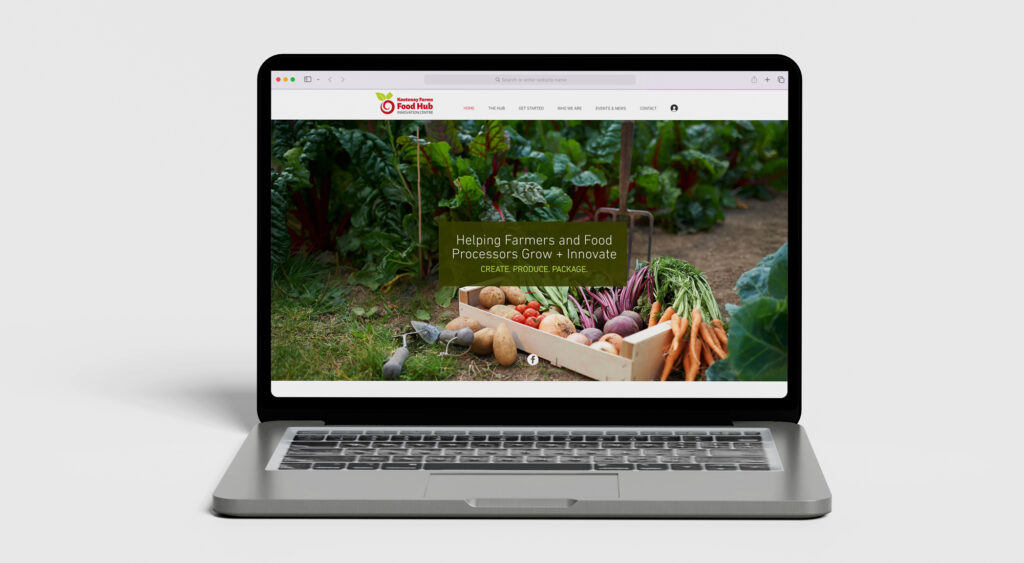
Think of secondary research as your strategic foundation—industry reports, competitor websites, government food trend data, and even competitor product reviews all provide valuable context. This all helps you ask better questions when you eventually engage directly with customers through primary research.
Consider a jam producer who noticed declining sales at farmers’ markets. Instead of immediately surveying customers, she first researched industry trends and discovered that artisanal preserves were increasingly moving toward lower-sugar options. Armed with this context, her customer conversations became much more focused: “How important is reduced sugar content when you’re choosing preserves?” Rather than fishing for answers, she was testing a specific hypothesis.
Primary research—surveys, interviews, and direct feedback—then fills in the gaps that secondary research can’t address. This is where you move beyond industry-wide trends to understand your specific customers’ motivations and decision-making processes. It’s where you learn not just what people buy, but why they buy it, how they use it, and what would make them choose your product over alternatives. Primary research gives you the nuanced insights that can’t be found in any report—the emotional drivers, the unexpected use cases, and the specific pain points that your product might solve.

The Art of Unbiased Questions
Here’s where many producers stumble: asking questions that confirm what they want to hear rather than uncovering what they need to know. The difference between good research and wishful thinking often comes down to how you frame your questions.
Consider the psychology at play. When you ask “Do you love our spicy maple syrup?” you’re essentially asking someone to either validate your work or hurt your feelings. That’s not research—that’s seeking approval. Instead, try “What do you think about the heat level in this maple syrup?” The first question leads; the second one listens.
But effective questioning goes deeper than avoiding leading language. Think about the assumptions buried in your questions. “How often do you buy organic products?” assumes organic matters to them. Better to ask, “What influences your food purchasing decisions?” and let them reveal their priorities.
The most revealing questions often start with “Tell me about a time when…” These narrative prompts unlock stories that reveal motivations, frustrations, and decision-making patterns that direct questions never capture.
Mining Reviews for Market Intelligence
Reviews are a goldmine of unfiltered customer intelligence, but most producers only skim the surface. Don’t just count stars—dig into the language people use. What specific words appear repeatedly in positive reviews? What frustrations show up again and again in negative ones?
Create a simple system: spend 30 minutes monthly reading through recent reviews of both your products and your competitors’. In fact, you should watch your competitor’s reviews as closely as your own. Look for patterns in how customers describe benefits, complaints about packaging, or unexpected ways they’re using products. One producer discovered customers were using their herb salt as a rim seasoning for cocktails—a use case that became a whole new marketing angle.
This intelligence is freely available and incredibly valuable for product development and positioning.
From Validation to Innovation
Sometimes research confirms you’re on the right track—and that validation is worth its weight in gold when you’re facing tough decisions. But the real magic happens when research reveals something unexpected: a use case you hadn’t considered, a market segment you’d overlooked, or a problem your product solves that you didn’t even realize existed.
Market research isn’t about proving you’re right—it’s about making sure you’re making something people actually want to buy. And in the competitive world of specialty food, that insight makes all the difference between just surviving and thriving.
So here’s your starting point: this week, have three conversations with people who aren’t already in your inner circle. Ask one simple question about your product category—not your specific brand, but the broader space you operate in. Listen more than you talk. Notice what surprises you.
Those three conversations might just reshape how you think about your business. And that’s exactly what good market research should do.
Are you ready to take your research strategy to the next level? The Farm Food Drink team understands the unique challenges facing the food industry. Whether you need help designing effective surveys, interpreting customer feedback, or developing a comprehensive market research plan that fits your budget, we’re here to guide you through the process.
Contact Us: hello@farmfooddrink.ca
Farm Food Drink is a team of food research, planning, marketing and training specialists who focus solely on Canadian farm, food, and drink businesses. We provide an integrated, 360 approach and are committed to working alongside our clients as they grow their businesses.