There’s a lot of pressure on food and beverage businesses right now. Consumers are watching what they spend. Many inputs are affected by rising fuel costs and tariffs, which also limit trade opportunities. Labour, packaging, transportation, and other operating costs continue to put pressure on margins. For small food businesses, there is less room for wasted spending and marketing without results.
That makes marketing more important, not less. But it also changes what good marketing looks like.
More Marketing Doesn’t Mean Better Marketing
When sales are slower, the natural instinct is to cut back on this expense or to do more. The problem is that activity isn’t the same as effectiveness.
The key isn’t to do less or more marketing, it’s about smarter and better marketing. Your efforts need to make it easier for the right customers to understand what you offer, recognize your business, trust your product, and choose you. All of that starts with a strong foundation.
Let Your Brand Carry Some of the Load
A brand is more than just a logo. It is a combination of your business’ values and how your business or product is understood. When your brand identity is clear and consistent, your marketing has a foundation to build upon. Customers recognize you, understand how you’re different, and connect with your products and story. A strong brand doesn’t mean spending thousands, it means being intentional about the fundamentals:
- Who is your business (brand identity)?
- Who is your business trying to reach?
- What makes your product worth choosing?
- How should that come through consistently?
Make Your Marketing Work Harder
Look at maximizing the value from your current budget, content, and customer relationships. Here are a few practical ways to do that:
- Give your marketing a job. Before creating a piece of content, ask what you want it to accomplish. Knowing what you want it to do makes it easier to track if it works.
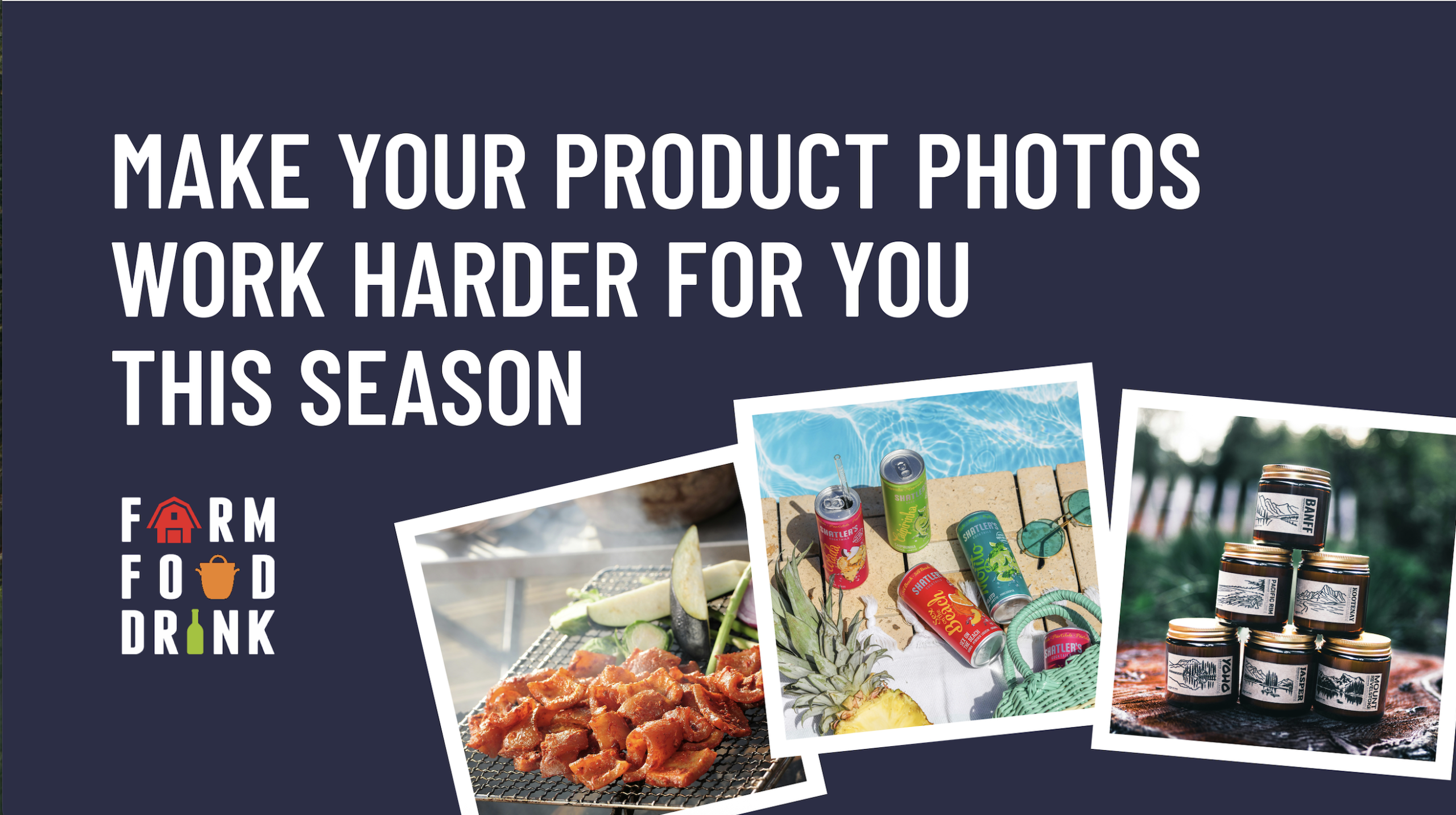
- Repurpose your materials. Not everything needs to be created from scratch. A customer question can become a short video or website FAQ. A new product launch could generate photography, and social or web content.
- Make your website work harder. Visitors should be able to understand what you sell, who it’s for, what makes it different, how/where they can get it, why they should trust you, and what they should do next.
- Make customers part of your marketing team. Reviews, customer stories, and retailer feedback, provide both credibility and insight into what people value about your products.
- Build campaigns around business priorities. Focus your content around what you are trying to accomplish that month, looking at seasonal peaks, and timing things to how and when your consumers buy.
- Measure what matters. Track a few things that connect to your current priorities: inquiries, website activity, email clicks, repeat purchases, etc. The goal isn’t to measure everything, it’s to learn what’s worth doing more of.
Use AI, Don’t Let It Use You
AI has made it easier than ever to produce marketing, which is a useful tool for businesses on a budget. But, when everyone has access to the same tool, producing more content is no longer a competitive advantage. AI doesn’t know what it was like to taste your product for the first time, or what drove you to start your farm. Your unique experience is your competitive advantage.
Use AI to make your marketing more efficient, not less authentic. Keep these principles in mind:
- It’s a tool, not an end product: Ask AI for ideas, outlines, templates, even a first draft. Then add in your experience, knowledge, and point of view.
- Give it your brand foundation: The clearer your positioning, audience, tone, and key messages are, the more useful (and accurate AI becomes).
- Fact-check everything: AI is great at confidently producing incorrect information. Ask for sources and review claims, statistics, details, and anything else that needs to be accurate.
- Don’t replace real visuals with generic ones: Pictures of your products, people, farm, facility, and customers are part of what makes your brand distinct and authentic.
- Keep your voice: If it sounds like it could have been written for any food business, then it needs more of you in it.
Use AI to support the development process, then take that to a brand or design professional, like Farm Food Drink. AI can help reduce development costs in the early stages as it clarifies your thinking and gives your design professional a stronger starting point.
While we recognize that we’re recommending professional support in an area that is part of our own expertise, the reality is that much of the AI-generated branding and content we’re seeing isn’t working well. We recognize the position many of our clients are in, and while AI can make the process more efficient, professional judgment, industry expertise, and execution still matter. That’s where we can help.
Make Your Marketing Work
This isn’t the time to disappear from the market, or JUST to do more of the same. It’s time to be more deliberate and intentional. When customers have less money to spend and small businesses have less room for waste, your marketing needs to earn its place.
Good marketing isn’t about doing more, it’s about making what you do work harder.